



Carve-In or Carve-Out? The Future of Hospice Under Medicare Advantage | Part Two
IIn Part Two of this thought-provoking conversation, Chris Comeaux and Robin Heffernan unpack the complex realities shaping the future of hospice...
2 min read
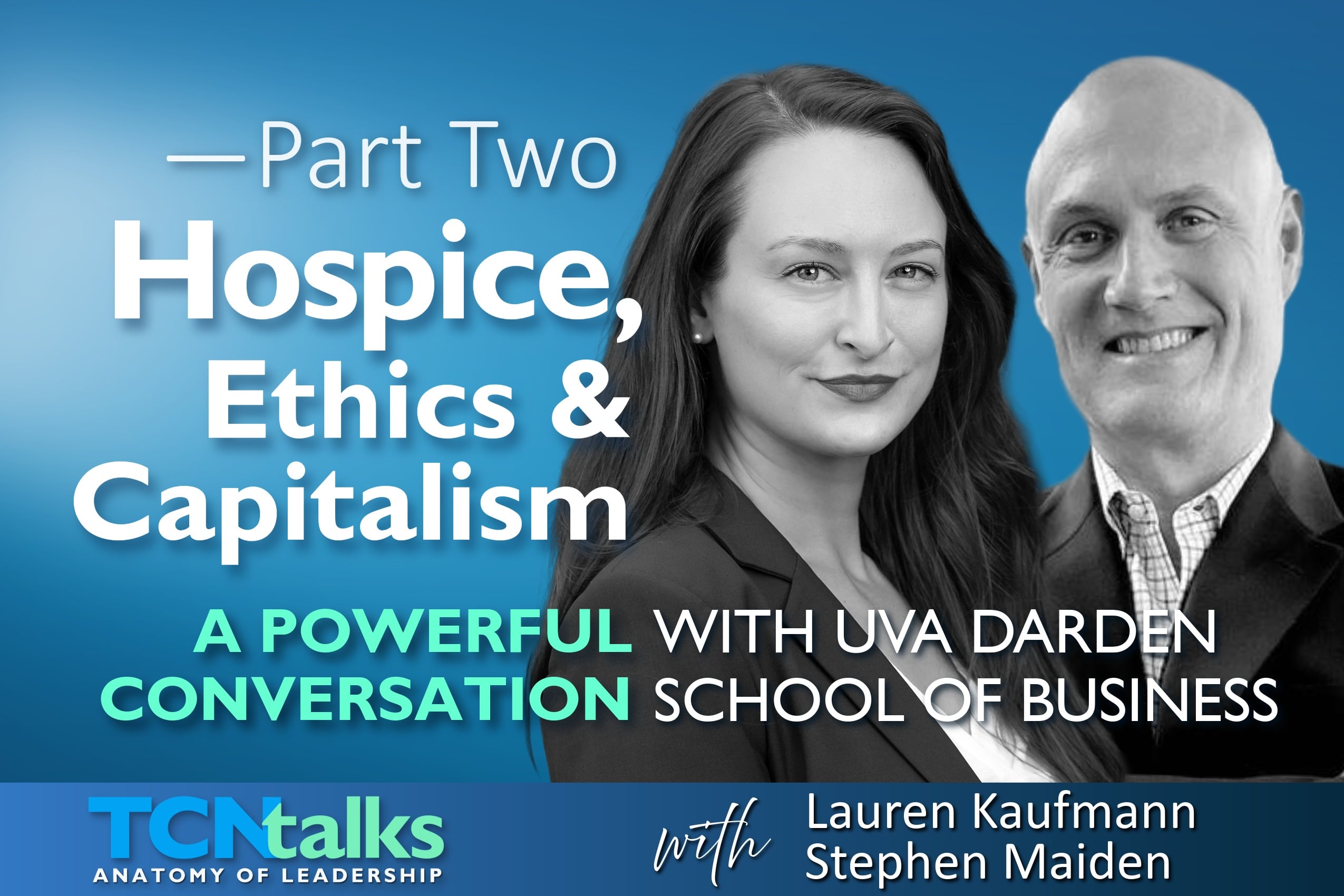
Can healthcare remain compassionate in an age of private equity, artificial intelligence, and growing financial pressures?
In Part Two of this thought-provoking conversation, Chris Comeaux continues conversation with UVA Darden School of Business professor Lauren Kaufmann and Stephen Maiden, Managing Director of Case Writing Research Group, to explore the complex intersection of hospice care, ethics, capitalism, and the future of healthcare. Together, they examine whether the financial incentives driving modern healthcare align with the deeply human mission of hospice—and what leaders must do to preserve compassion, trust, and dignity in end-of-life care.
The conversation dives into the opportunities and risks of AI, the growing influence of private equity in hospice, the challenge of measuring quality at the end of life, and the difficult leadership decisions that can either protect or erode an organization’s mission over time. Kaufmann and Maiden challenge listeners to consider what remains sacred as organizations grow, how leaders can prevent mission drift, and why the way society cares for its most vulnerable members reveals its deepest values.
More than a discussion about hospice, this episode explores the future of leadership itself. It offers powerful insights for healthcare leaders, nonprofit executives, hospice professionals, and business leaders seeking to balance operational excellence with ethical responsibility in an increasingly complex world.
AI should augment care, not replace it. Technology can improve efficiency, access, and operations, but hospice care will always require meaningful human connection.
Private equity creates structural tensions in hospice. While capital and operational discipline can provide benefits, financial incentives may conflict with the long-term mission of compassionate end-of-life care.
Mission drift often happens gradually. Organizations rarely lose their purpose through one major decision; it occurs through hundreds of small compromises over time.
Quality in hospice cannot be measured solely by traditional business metrics. Family experiences, staff engagement, trust, and meaningful patient outcomes are essential indicators of success.
The future of hospice requires courageous leadership. Preserving dignity, compassion, and ethical care in a rapidly changing healthcare environment demands intentional governance, strong culture, and clear values.
If this conversation challenged your thinking about healthcare, leadership, ethics, and the future of compassionate care, share it with a colleague, healthcare executive, nonprofit leader, board member, or business professional. Subscribe to TCNtalks/Anatomy of Leadership for more conversations exploring the ideas shaping healthcare, leadership, organizational culture, and human flourishing. Together, we can help ensure that care remains a relationship—not merely a transaction.
Featured Guest

Assistant Professor of Business Administration at the
Darden School of Business at the University of Virginia

Our Host

MLAS, CPA
President / CEO of Teleios
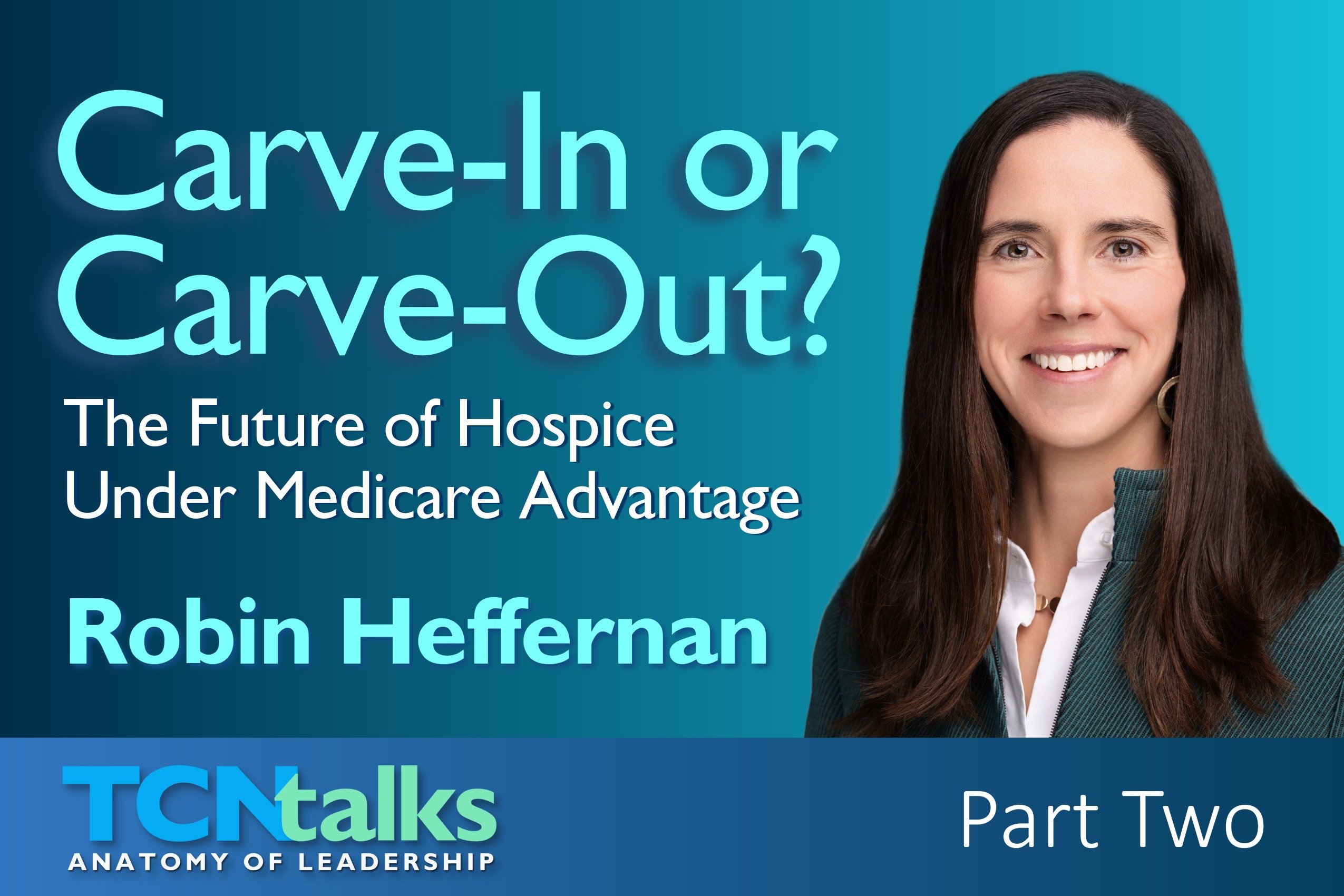
IIn Part Two of this thought-provoking conversation, Chris Comeaux and Robin Heffernan unpack the complex realities shaping the future of hospice...

What if the hospice ratings patients and families rely on don’t tell the full story? In Part One of this thought-provoking conversation, renowned...
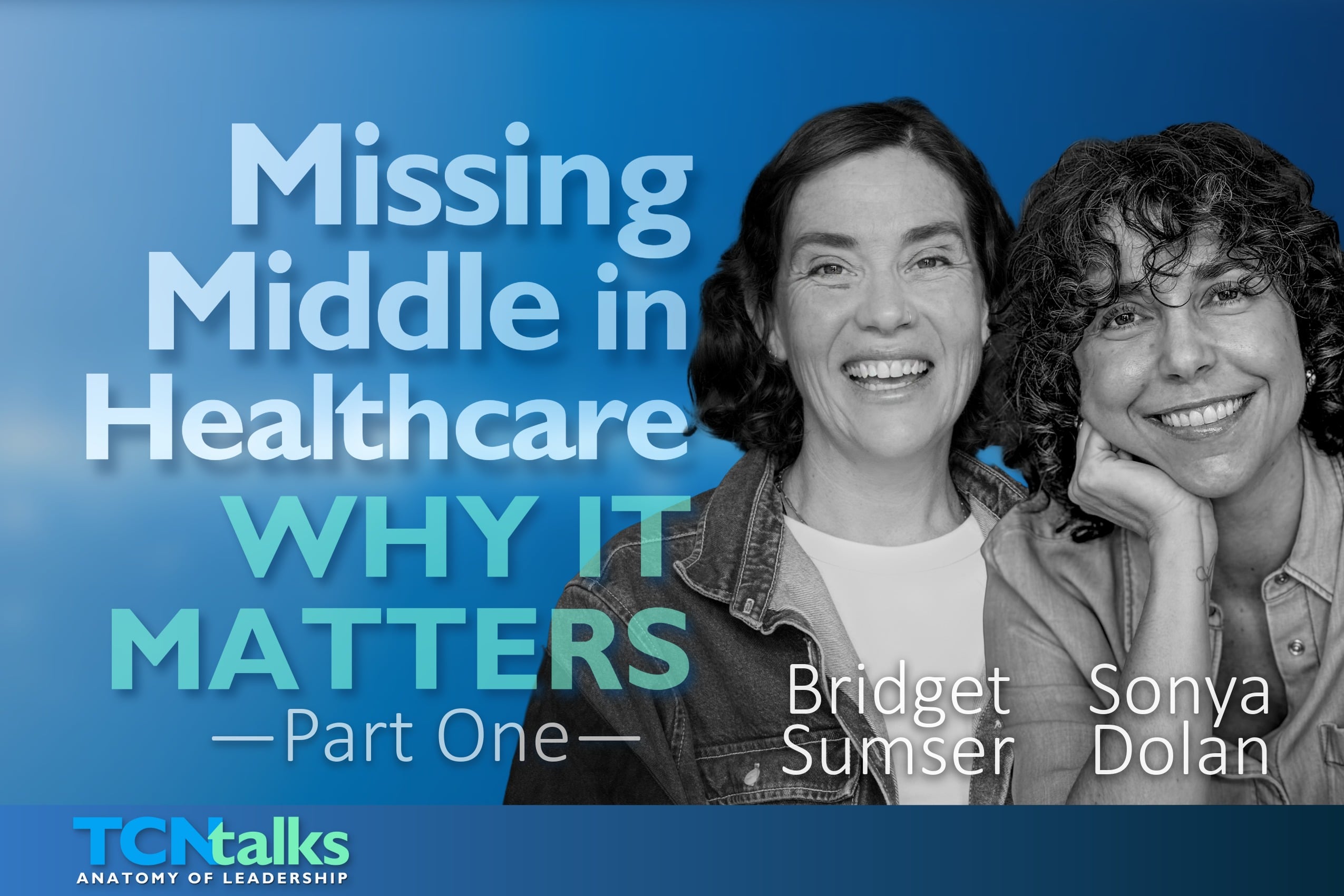
What happens between a life-changing diagnosis and hospice care? In Part One of this thought-provoking conversation, Chris Comeaux welcomes Mettle...