


The Missing Middle in Healthcare—And Why It Matters | Part One
What happens between a life-changing diagnosis and hospice care? In Part One of this thought-provoking conversation, Chris Comeaux welcomes Mettle...
1 min read
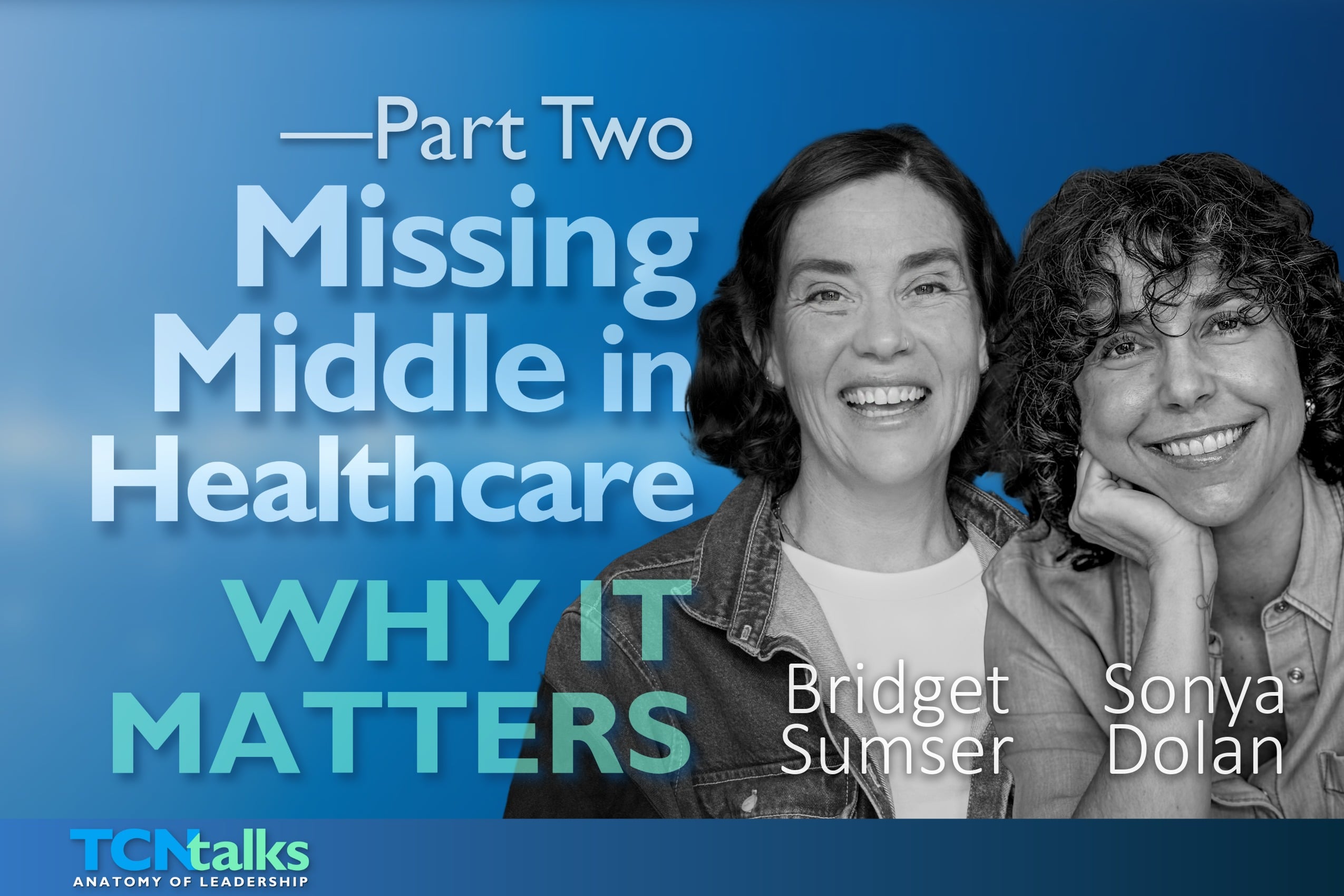
What if the most important care doesn’t happen in a hospital, hospice, or clinic—but in the moments in between?
In Part Two of The Missing Middle in Healthcare—And Why It Matters, Chris Comeaux continues his conversation with Bridget Sumser and Sonya Dolan of Mettle Health, exploring the often-overlooked space between medical treatment and human experience.
Together, they examine how language, grief, community, and connection shape the way people navigate serious illness, caregiving, and end-of-life journeys. The discussion challenges traditional healthcare models that focus primarily on disease management while leaving emotional, social, and existential needs largely unaddressed.
Bridget and Sonya offer a compelling vision for the future—one where grief is recognized as a natural part of life long before death occurs, where communities are empowered to support one another, and where accompaniment becomes just as important as intervention.
They discuss the limitations of current healthcare systems, the enduring value of hospice and palliative care principles, and the need to rebuild the social fabric that surrounds people during life’s most difficult transitions. This thoughtful conversation invites listeners to imagine a more compassionate, connected, and human-centered approach to care.
Featured Guest

LCSW; Director of Counseling and Programs, Mettle Health

Our Host

MLAS, CPA
President / CEO of Teleios
What happens between a life-changing diagnosis and hospice care? In Part One of this thought-provoking conversation, Chris Comeaux welcomes Mettle...
Hospice quality ratings play a critical role in helping patients and families make informed care decisions—but are they telling the whole story?
What if the greatest problem in American healthcare isn’t a lack of innovation—but a system that rewards complexity, profits, and bureaucracy over...