

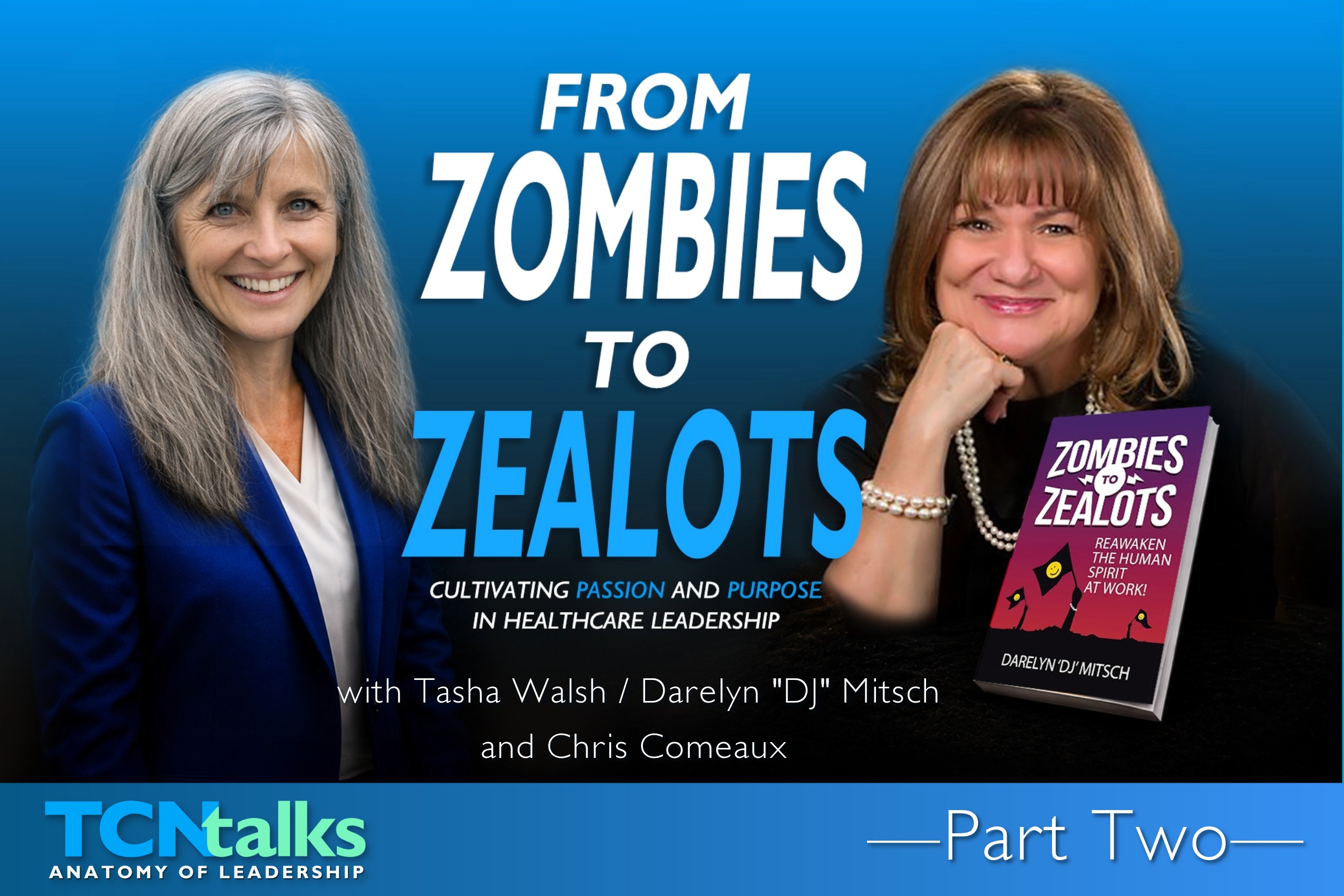
Part Two | From Zombies to Zealots: Cultivating Passion and Purpose in Healthcare Leadership
What if the frustration, anger, and resistance showing up in your organization aren't signs of disengagement—but signals that your people still...
2 min read
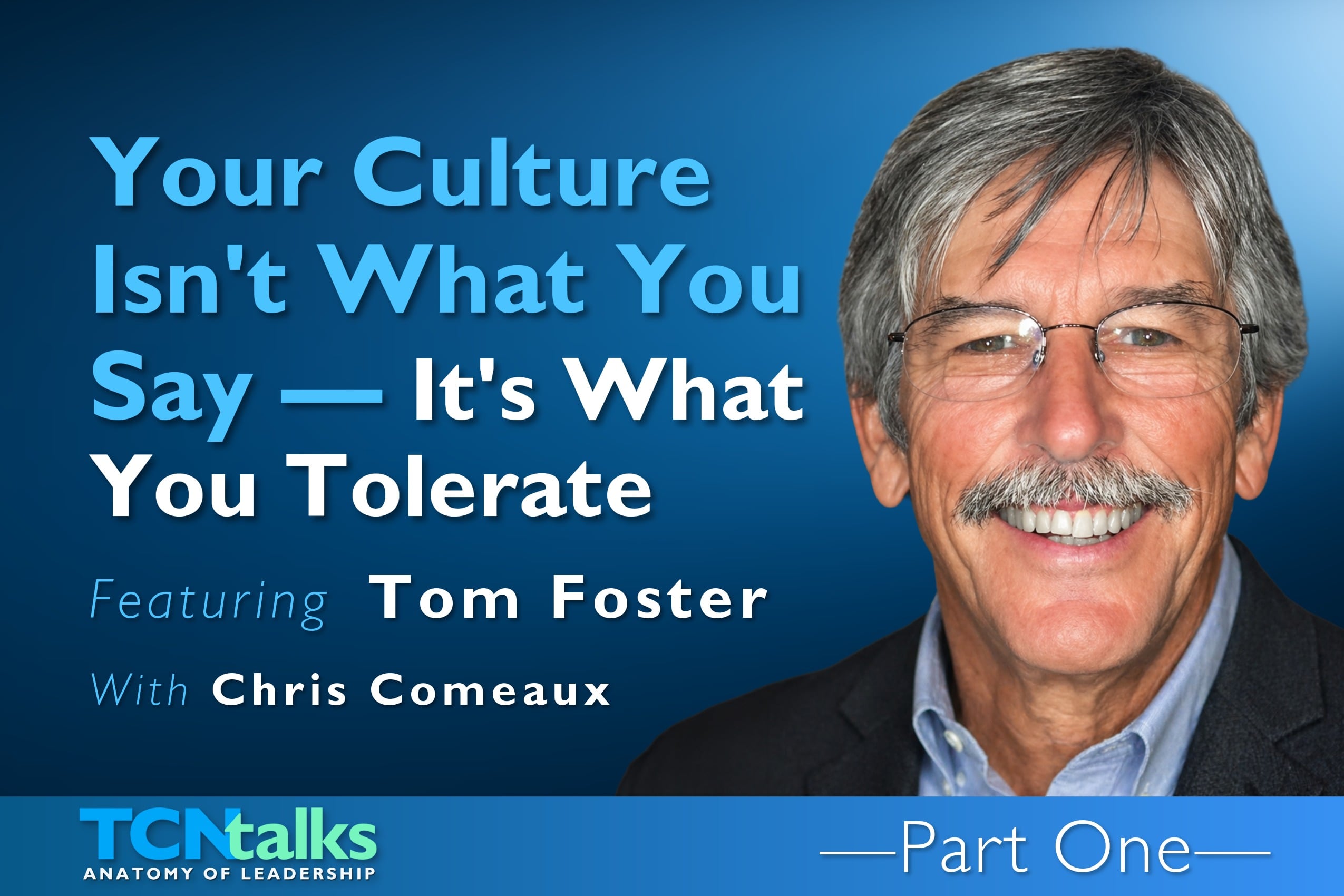
Your organization’s culture isn’t defined by the values hanging on the wall—it’s defined by the behaviors leaders allow to continue.
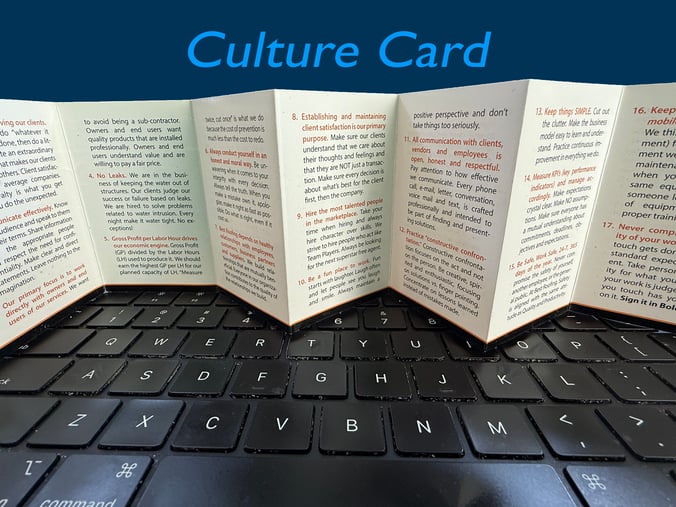
In Part One of Your Culture Isn't What You Say—It's What You Tolerate, host Chris Comeaux sits down with Tom Foster, President of Foster Learning Corporation and author of Premeditated Culture: The Consequences of What We Tolerate, for a compelling examination of how organizational culture is actually created. Foster challenges a common leadership assumption: culture begins with defining what an organization believes. Instead, he argues that leaders should start by identifying the specific behaviors they want to see—because beliefs, values, customs, and ultimately culture become visible through what people actually do.
The conversation explores Foster’s Culture Cycle, the difference between intentional and accidental culture, and why accountability is essential to protecting the culture leaders say they want. Chris and Tom also bring the discussion directly into healthcare and hospice, where workforce shortages, regulation, compliance demands, reimbursement pressures, productivity expectations, and rapid change continually test an organization’s stated values. The central leadership challenge is clear: when reality puts pressure on your values, which behaviors survive? Those behaviors—not your mission statement—become your culture.
What behaviors are you tolerating that may be shaping your culture without you realizing it? Listen to Part One and challenge yourself—and your leadership team—to look beyond the values you say you believe and examine the behaviors your organization actually permits, reinforces, and repeats.
And don’t miss Part Two, where Chris and Tom continue the conversation and dig deeper into what leaders can do to intentionally shape a culture capable of surviving the pressures of reality.
Our Special Guest
President, Foster Learning Corporation
Contact
Biography
Management Blog
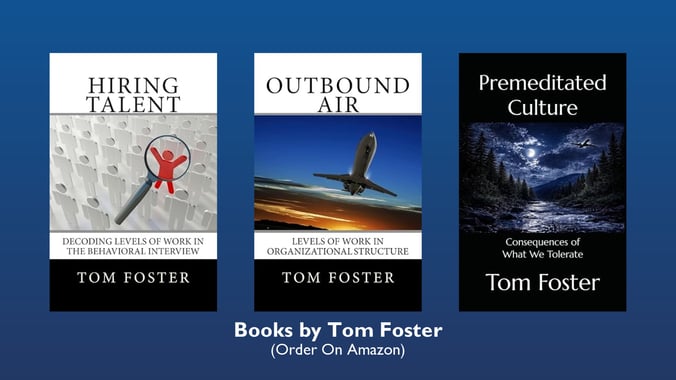
Hiring Talent,
Levels of Work in the Behavioral Interview
- a how-to book
Outbound Air,
Levels of Work in Organizational Structure
- a business novel
Premeditated Culture
– a business novel
Our Host

MLAS, CPA
President / CEO of Teleios

What if the frustration, anger, and resistance showing up in your organization aren't signs of disengagement—but signals that your people still...
Healthcare professionals often enter the field with a calling—but somewhere between compliance, productivity demands, regulatory pressure, and...
The greatest leadership challenge isn't managing others—it's mastering yourself.