

The Workforce Crisis Healthcare Leaders Can’t Afford to Ignore | Part One
Healthcare leaders are planning for a future with more patients—but who will be there to care for them?
1 min read
The greatest threat to your organization’s future may be having too few people to deliver the care you promise.
In Part Two of The Workforce Crisis Healthcare Leaders Can’t Afford to Ignore, Chris Comeaux welcomes back Ron Hetrick to explore how healthcare leaders can prepare for a future shaped by an aging population, growing care needs, and a shrinking pipeline of workers.
Hetrick moves from demographic warning signs to practical leadership decisions: redesigning difficult jobs, building training pipelines, creating workplaces people want to stay in, and evaluating expansion through the lens of available talent. He also explores how private home care could intensify competition for caregivers—and where AI could ease documentation and accelerate learning while preserving the human connection at the heart of care.
For healthcare leaders, nonprofit executives, hospice professionals, and business leaders, this conversation offers an urgent invitation to act. The workforce your organization will depend on tomorrow requires investment today. What are you doing now to prepare?
Five key takeaways
Your next leadership meeting is an opportunity to prepare. Listen to Part Two, share it with your team, and identify one workforce investment you can begin this quarter. Subscribe to TCNTalks / Anatomy of Leadership for conversations that help you turn insight into action.
Special Guest
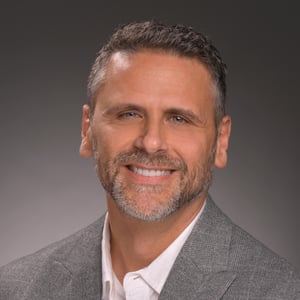
Ron Hetrick
Principal Economist with Lightcast
Our Host

MLAS, CPA
President / CEO of Teleios



Healthcare leaders are planning for a future with more patients—but who will be there to care for them?

AI is reshaping healthcare. Medicare is under mounting pressure. Hospice fraud is driving unprecedented regulatory action. The question isn’t whether...

Some of the most innovative solutions to America's healthcare challenges aren't being developed in the world's wealthiest hospitals—they're emerging...