
1 min read
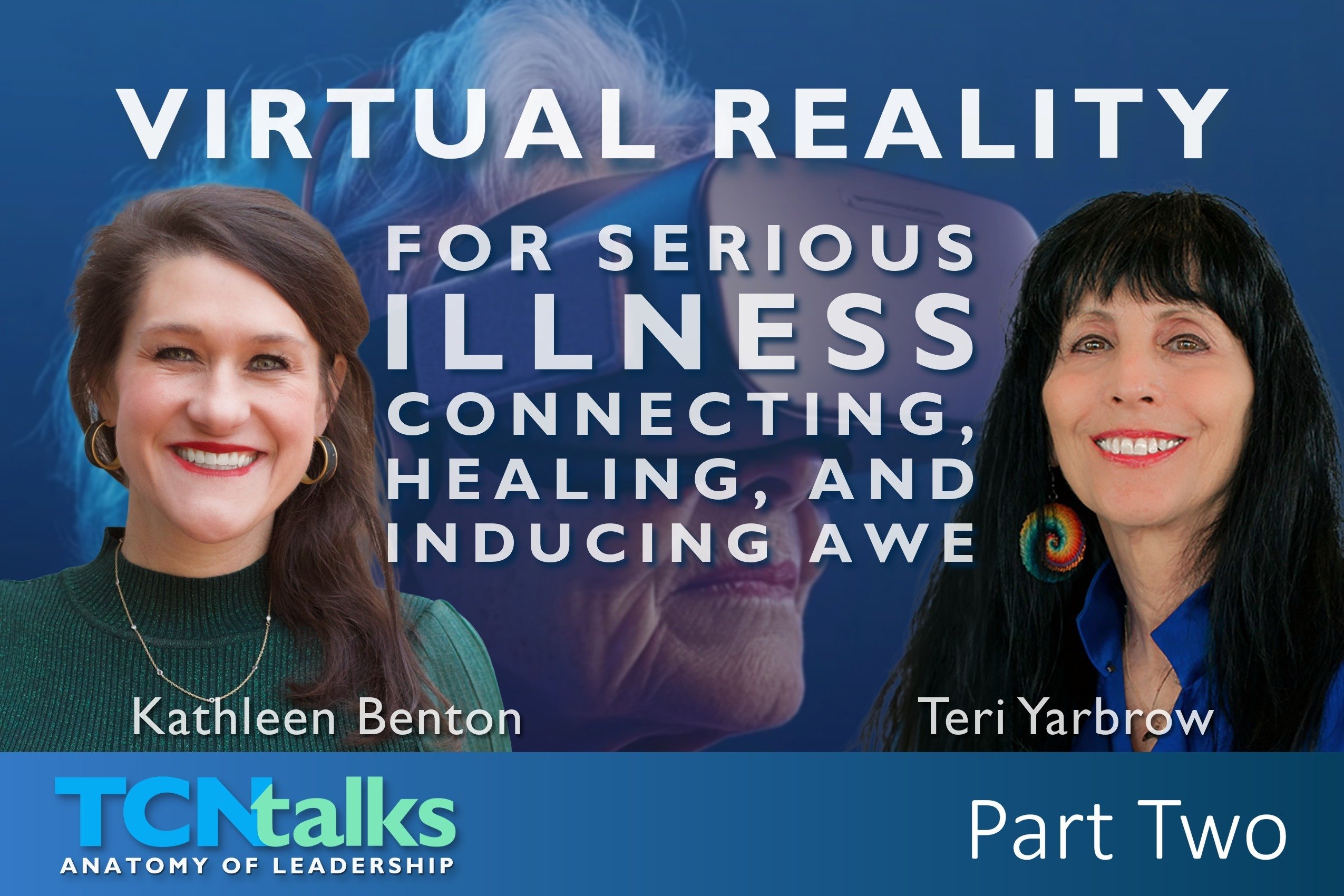
In Part Two of Virtual Reality for Serious Illness: Connecting, Healing, and Inducing Awe, Chris Comeaux continues the conversation with Dr. Kathleen Benton, CEO of Hospice of Savannah and VR healthcare pioneer Teri Yarbrow, Founder & CEO of Magika VRx, exploring the growing body of evidence behind immersive virtual reality as a legitimate clinical tool in Hospice and Palliative Care.
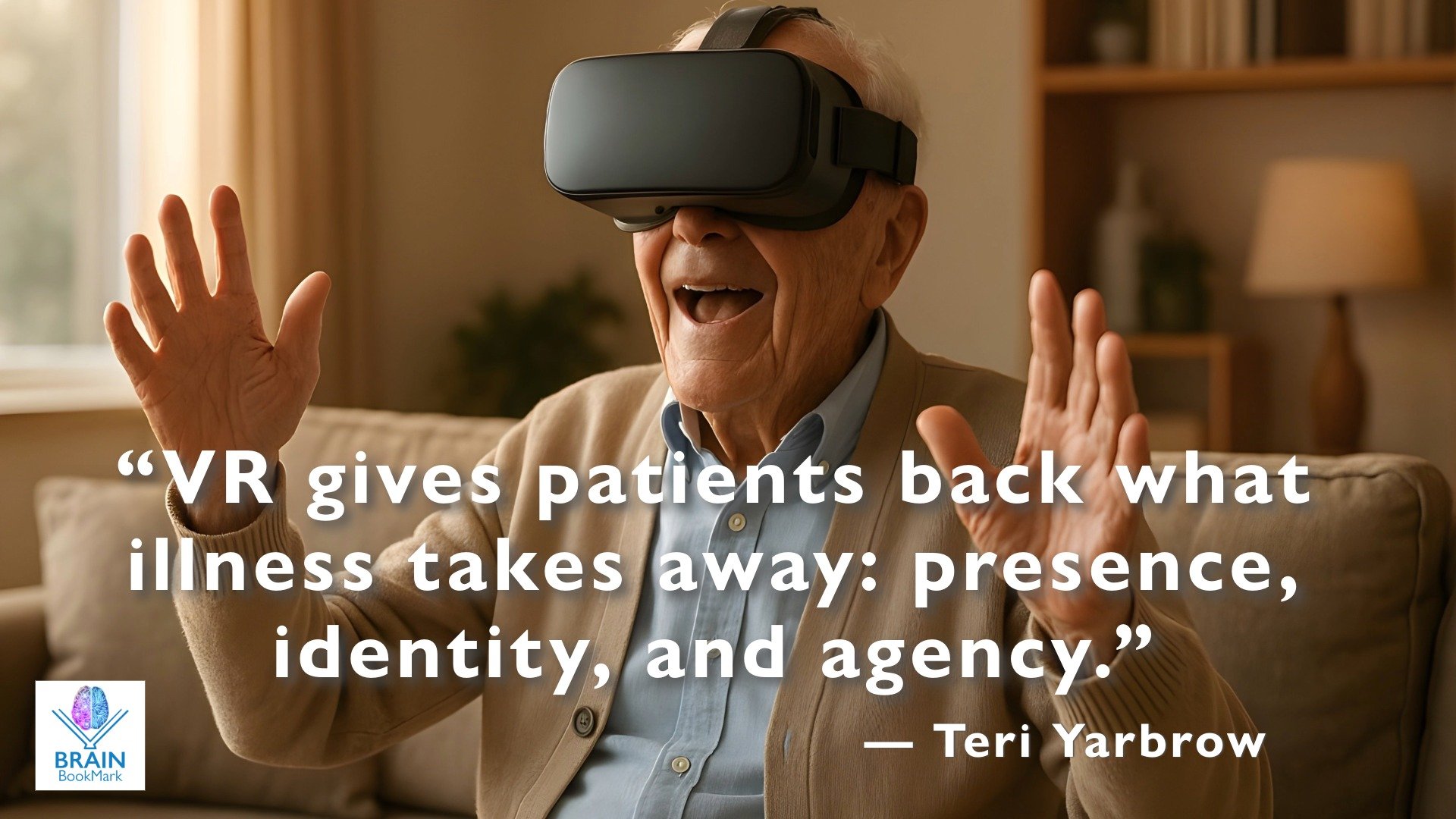
What was once dismissed as novelty is now supported by extensive research, global adoption, and real-world outcomes—demonstrating measurable reductions in pain, anxiety, and distress, even in complex cases like neuropathic pain where traditional treatments fall short.
Yet the most compelling discoveries go beyond clinical metrics. Patients are reporting profound experiences of meaning, purpose, and spirituality—often described as moments of awe that shift their perspective on illness and mortality. These self-transcendent experiences can reduce fear, restore identity, and bring a sense of peace at the end of life. At the same time, VR is emerging as a powerful support tool for clinicians facing burnout and for families navigating grief, offering moments of relief, connection, and emotional reset in otherwise overwhelming circumstances.
Looking ahead, the conversation turns practical and forward-thinking: how organizations can implement VR programs, the evolution toward lighter and more accessible devices, and the potential for a “VR pharmacy” model—where curated immersive experiences are prescribed as part of care. This episode challenges leaders across healthcare and nonprofit sectors to rethink what compassionate, innovative care can truly look like.
Key Takeaways
- Immersive VR is now supported by extensive research and real-world clinical outcomes in medicine
- VR can reduce pain, anxiety, and distress—even in cases where medications are ineffective
- Patients often experience unexpected spiritual and awe-based shifts that reduce fear of death
- VR provides meaningful support for clinicians facing burnout and families processing grief
- The future of care may include curated “VR pharmacy” models and more accessible immersive technologies
Our Guest

Kathleen Benton
Chief Executive Officer, Hospice Savannah, Inc. and
Co-Author of the book, Virtual Reality for Serious Illness
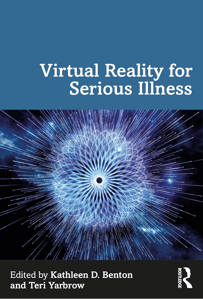

Virtual Reality in Palliative Care: A Systematic Review
Our Host

Chris Comeaux
MLAS, CPA
President / CEO of Teleios
Order Book On Amazon
The Anatomy Of Leadership