
Why Traditional Primary Care Fails Frail Elders and the Future Need for Specialized Models | Part One
Traditional primary care wasn't designed for today's frail elders—and that gap may be one of healthcare's greatest challenges.
2 min read
The future of hospice may depend on what happens long before a patient is eligible for hospice care.
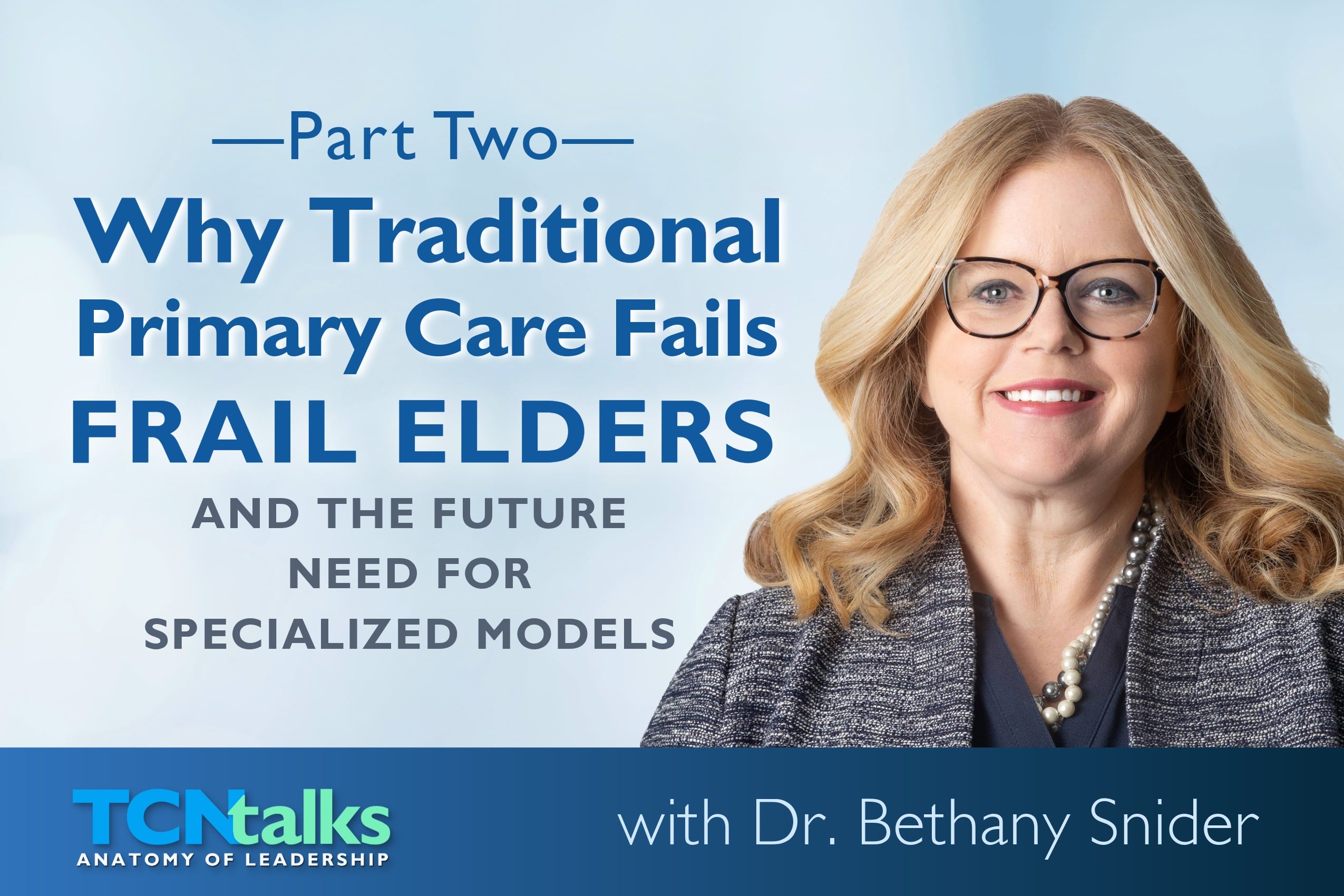
In Part Two of this compelling conversation, Chris Comeaux continues his discussion with Dr. Bethany Snider, exploring what it will take for hospice and palliative care organizations to remain relevant in a rapidly changing healthcare landscape. Dr. Snider makes the case that caring for frail elders through longitudinal, value-based primary care isn't a departure from the hospice mission—it's the natural evolution of it.
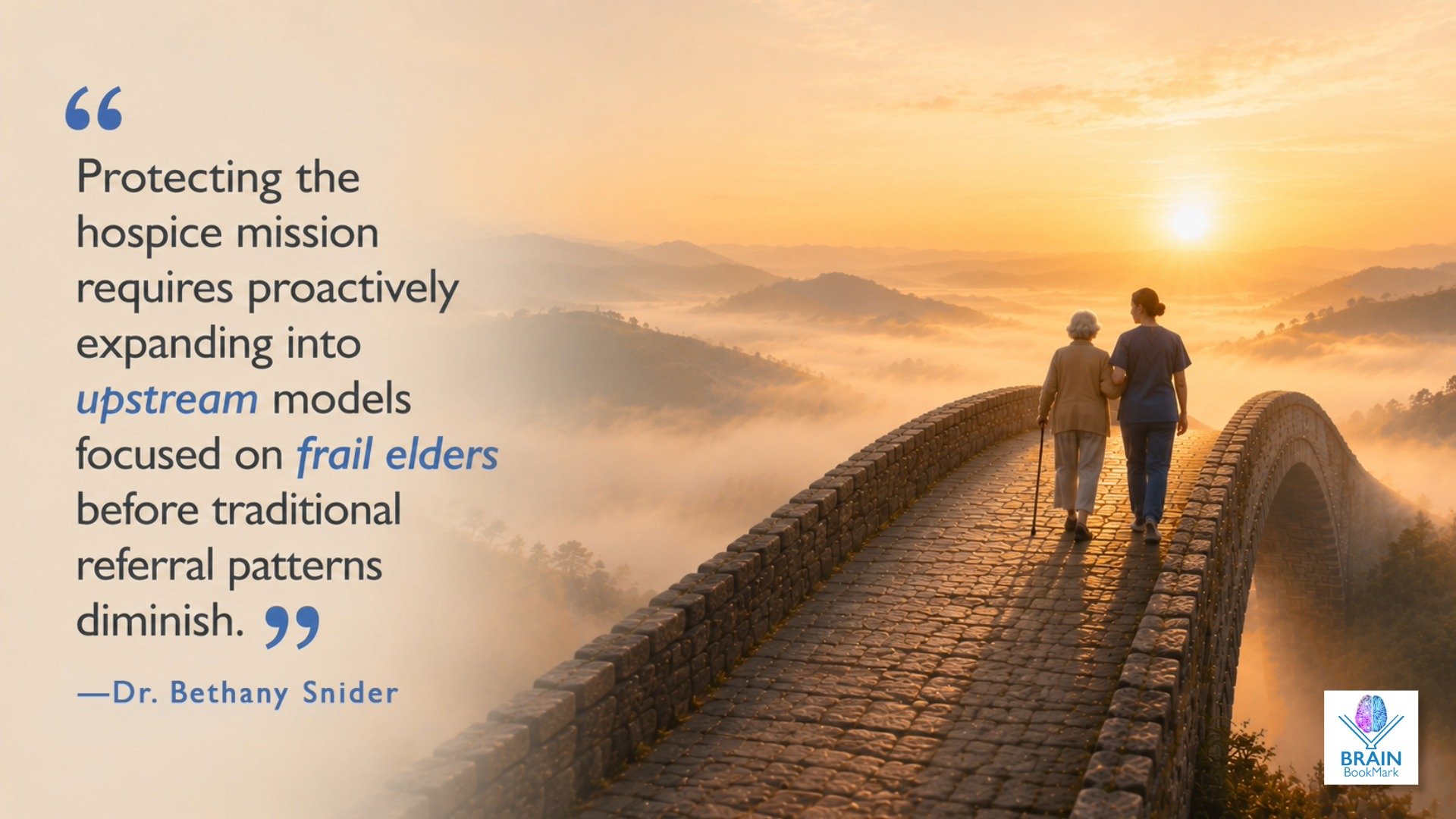
Dr. Snider explains why nonprofit providers must think beyond episodic care, invest in new capabilities, and build integrated care models that better serve patients across the entire serious illness journey. She also shares how courageous leadership, strategic partnerships, and a willingness to innovate will determine which organizations thrive in the next generation of healthcare.
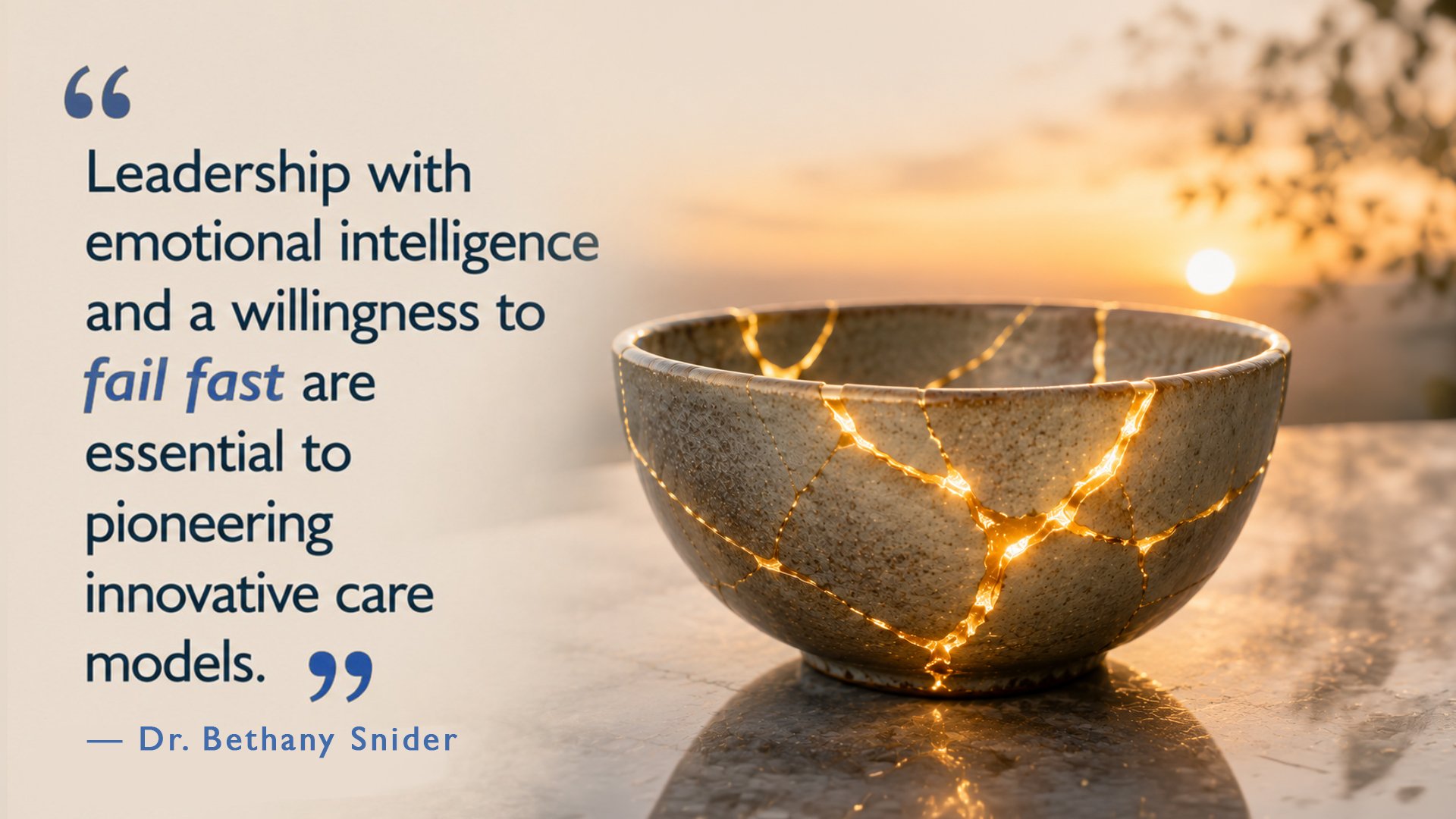
The conversation also examines the practical realities of reimbursement, organizational change, and leadership required to build these new models successfully. Dr. Snider shares lessons learned from years of innovation, emphasizing emotional intelligence, diverse leadership teams, strategic partnerships, and a willingness to "fail fast" in pursuit of better care. She paints a compelling vision of a future where advanced primary care, palliative care, and hospice operate as one seamless continuum—improving patient outcomes while preserving the mission of nonprofit hospice organizations for generations to come.
If you're a healthcare executive, hospice leader, nonprofit administrator, or business leader preparing for the future of serious illness care, this conversation offers a strategic roadmap you won't want to miss. Share this episode with colleagues who are committed to building a more connected, compassionate, and sustainable healthcare system. The future belongs to organizations willing to innovate before the need becomes urgent.
Special Guest:
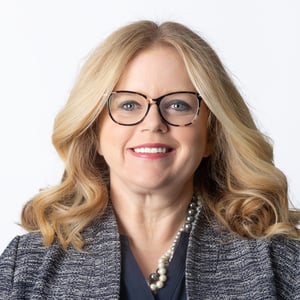
CMO of Everent Health
Our Host
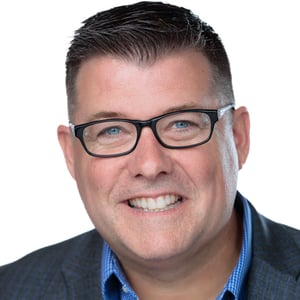
MLAS, CPA
President / CEO of Teleios
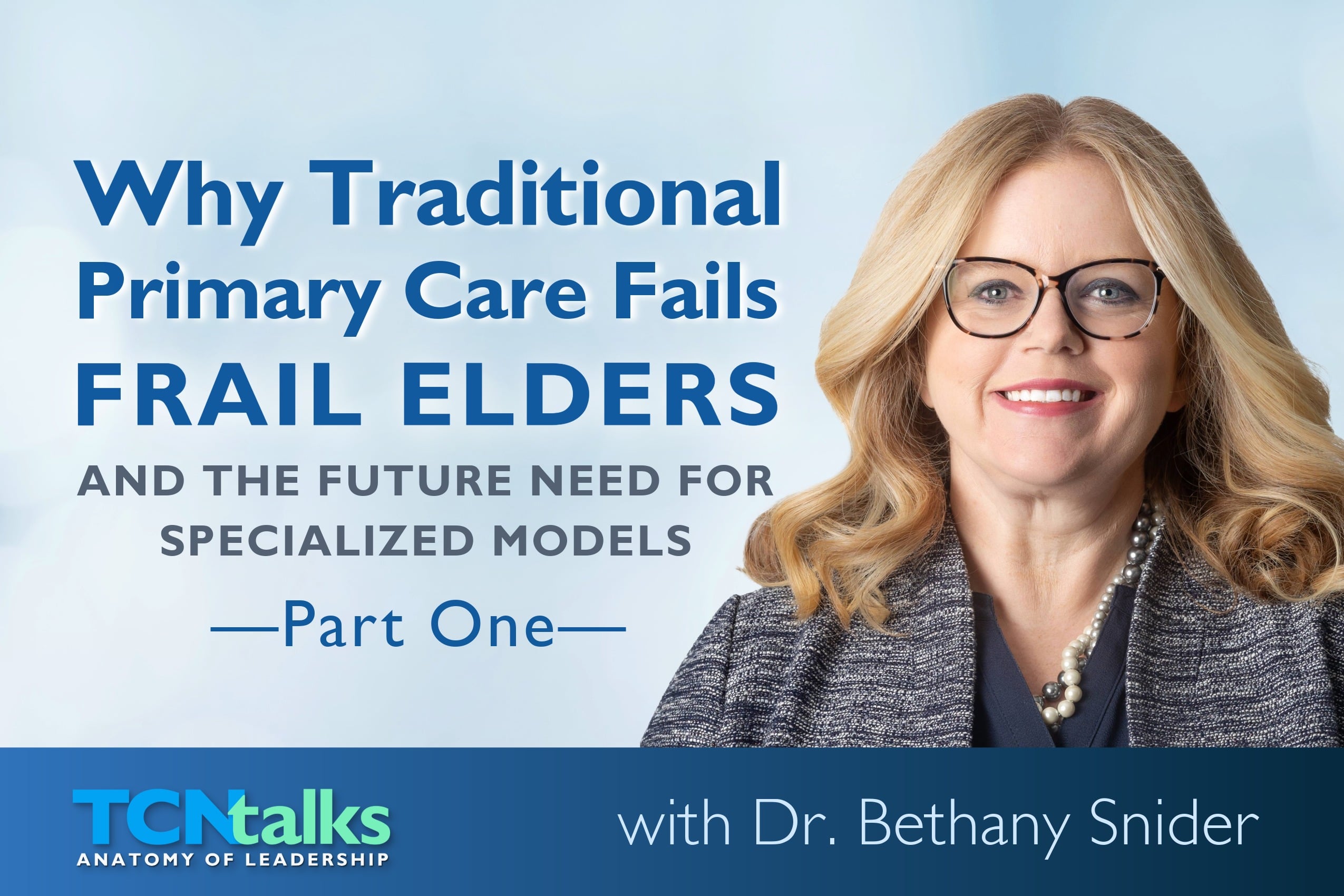
Traditional primary care wasn't designed for today's frail elders—and that gap may be one of healthcare's greatest challenges.
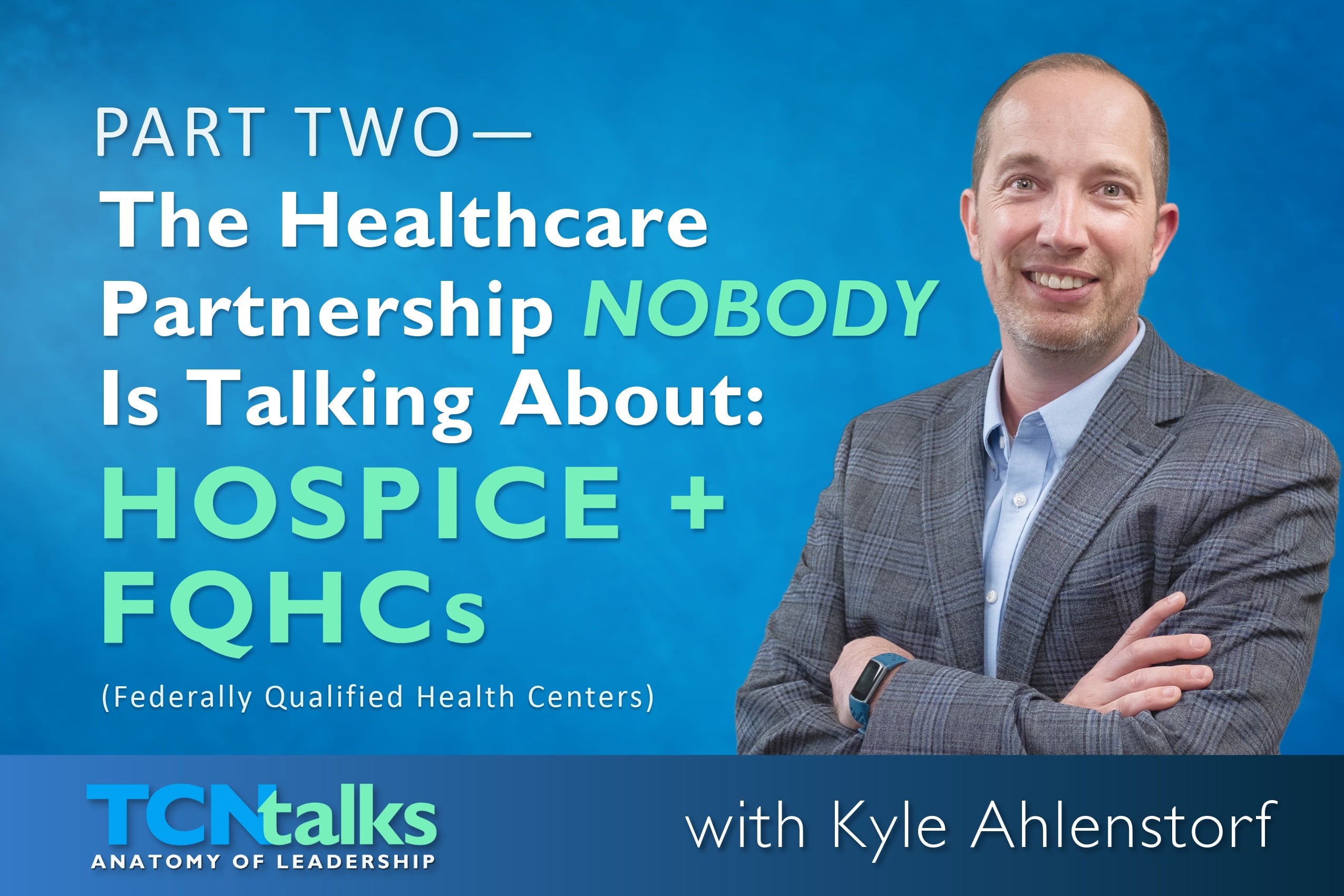
What if one of the most promising partnerships in serious illness care has been hiding in plain sight?
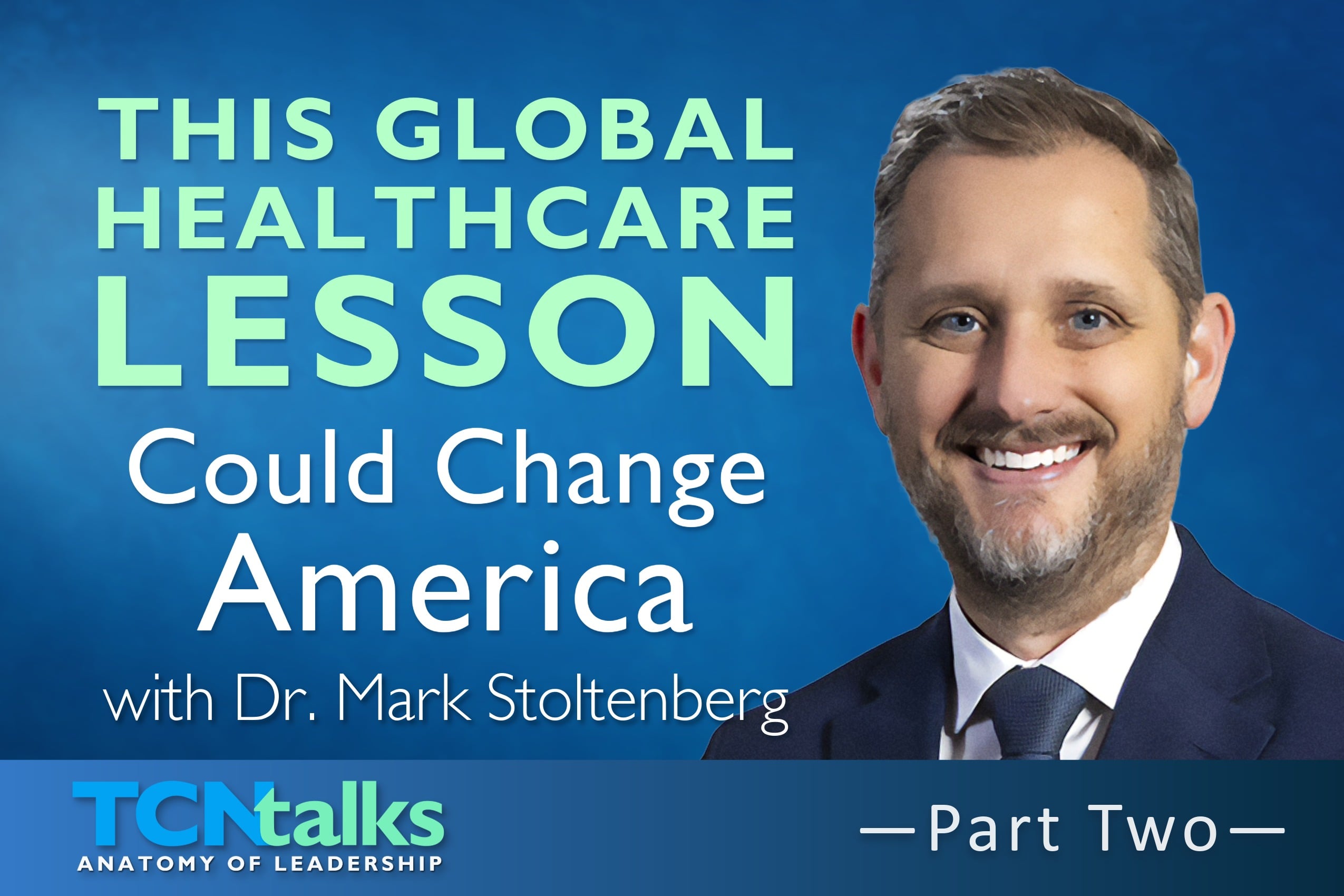
What if the future of American healthcare isn’t waiting to be invented—but waiting to be learned from the rest of the world?