

1 min read

The future of hospice care depends on a workforce we cannot afford to take for granted.
As demand grows and competition for caregivers intensifies, hospice leaders face a difficult question: How do you sustain exceptional care when wages rise and Medicare reimbursement limits your options? In this episode, host Chris Comeaux welcomes back Lightcast principal economist Ron Hetrick to explore what leaders can do now to prepare.
Together, they examine the possibilities—and limitations—of new approaches to staffing: flexible shifts for older workers, renewed volunteer programs, technology that supports caregivers, and recruiting people whose existing skills could translate into meaningful healthcare careers. Hetrick challenges the expectation that qualified employees should arrive fully trained, making a compelling case for rebuilding mentorship, practical education, and pathways into care.
For healthcare leaders, nonprofit executives, hospice professionals, and business leaders, this conversation offers a reason to rethink familiar assumptions. There is no single solution to the workforce shortage. But organizations willing to redesign work, develop talent, and coordinate their advocacy can begin building a stronger future before the next wave of pressure arrives.
Five key takeaways
- Prepare before staffing pressures intensify. Use calmer periods to gather evidence, coordinate industry advocacy, and build a case for reimbursement that reflects workforce realities.
- Account for shortages across the care team. Expanding reliance on home health aides brings its own recruitment challenges as other industries compete for the same workers.
- Make flexibility a recruiting advantage. Predictable opportunities to choose individual shifts could attract older workers seeking purpose without a full-time commitment.
- Recruit for transferable skills. People with customer service and administrative experience may offer a promising starting point for training pathways into appropriate care roles.
- Build the workforce you need. Invest in education, mentorship, retention, and renewed volunteer engagement rather than relying solely on finding fully trained applicants.
Your next workforce breakthrough may begin with a question: Who could contribute to your mission if you changed how you recruit, train, or schedule? Listen now, share this episode with your leadership team, and choose one idea to explore together. Subscribe to TCNtalks / Anatomy of Leadership and continue the conversation in Part Two on Friday.
(Watch Previous Episodes With Ron Hetrick / October 14, 2026)
The Workforce Crisis Healthcare Leaders Can’t Afford to Ignore | Part One
The Workforce Crisis Healthcare Leaders Can’t Afford to Ignore | Part Two
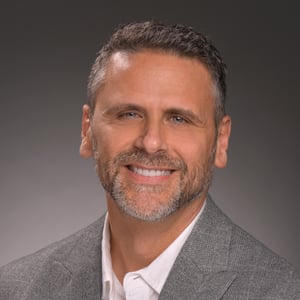
Our Host

Chris Comeaux
MLAS, CPA
President / CEO of Teleios
Order Book On Amazon
The Anatomy Of Leadership