
1 min read
What if hospice’s greatest opportunity begins long before a patient qualifies for hospice?
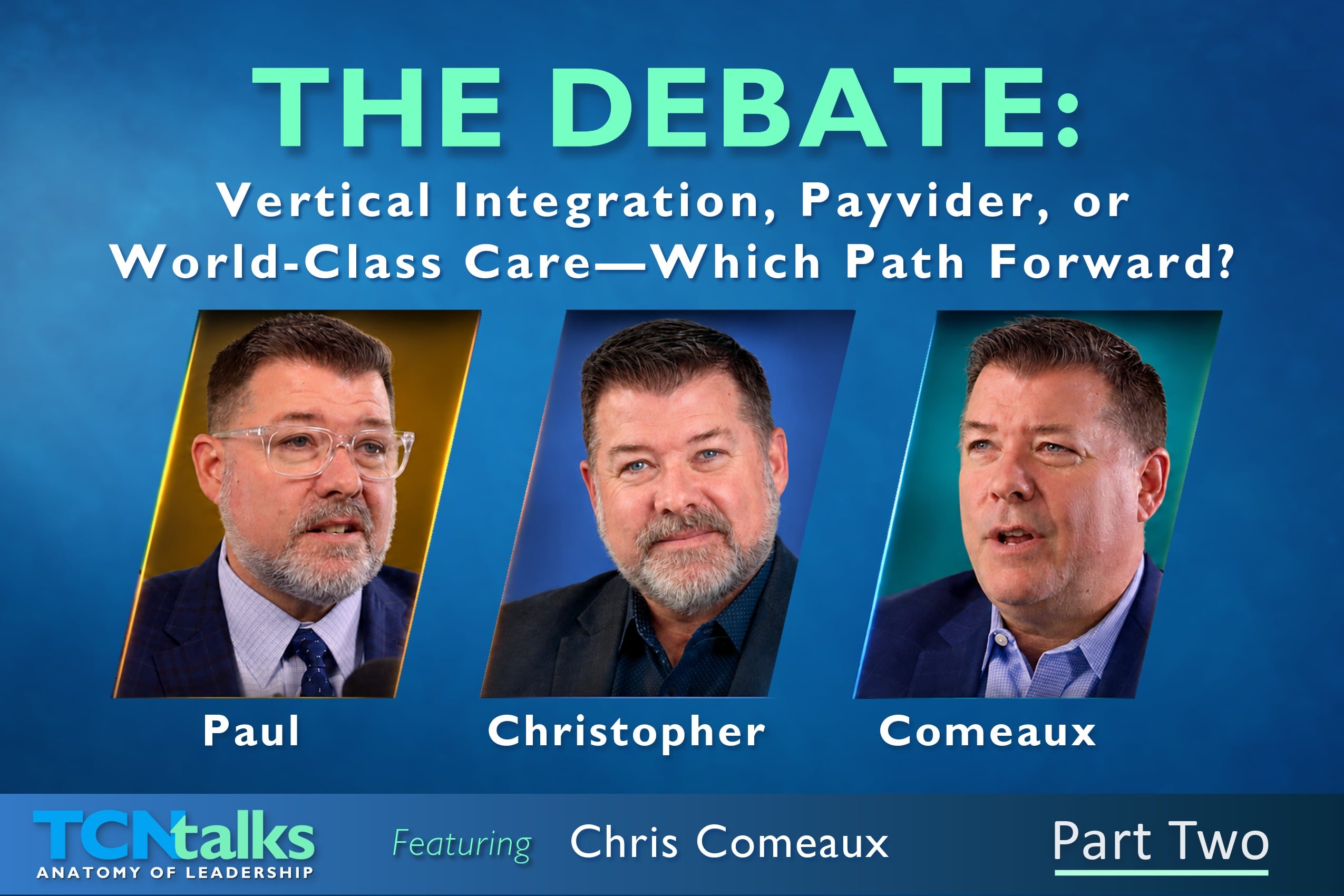
In Part Two of The Debate: Vertical Integration, Payvider, or World-Class Care—Which Path Forward?, host Chris Comeaux explores the case for moving upstream into palliative care and home-based primary care for frail elders. "Paul" argues that patients experience one continuous journey through illness—and deserve a trusted team that can support them across it. Through the illustrative story of Mary, an 83-year-old navigating complex illness with an overwhelmed spouse, the conversation brings the promise of earlier intervention and stronger caregiver support into focus.
But a compelling mission requires a sustainable model. Chris challenges the strategy with questions every healthcare leader should confront: Who funds expansion? Can an organization attract clinicians without weakening its core? Will integration improve hospice access—or delay it? And does a coordinated continuum preserve meaningful patient choice? For healthcare leaders, nonprofit executives, hospice professionals, and business leaders, this episode offers a thoughtful examination of growth, quality, and accountability—and a guiding principle: continuity without captivity.
Five key takeaways
- Build around the patient’s journey. Connecting primary care, palliative care, and hospice can reduce disruptive transitions and strengthen trusted relationships.
- Earlier relationships can improve access. Moving upstream creates opportunities to recognize needs, support caregivers, and introduce hospice before a crisis.
- Expansion needs a credible business model. Capital, contracting expertise, physician leadership, and sustainable reimbursement are essential.
- Protect quality as the organization grows. Staffing constraints, cultural differences, and geographic reach can undermine an otherwise promising continuum.
- Make patient choice measurable. Transparent options, warm handoffs, and objective triggers for hospice assessment help keep integration accountable to patients.
Before you build a broader continuum, ask what will make it better for the people you serve. Listen to Part Two, share it with your leadership team, and discuss this question: What would continuity without captivity look like in your community? Join us next Wednesday as The Debate continues.
Our Host
Chris Comeaux
MLAS, CPA
President / CEO of Teleios
Order Book On Amazon
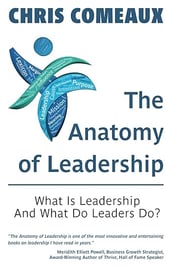
The Anatomy Of Leadership